Comprehending Employment Legislation: Defending Your Rights in the Professional Setting
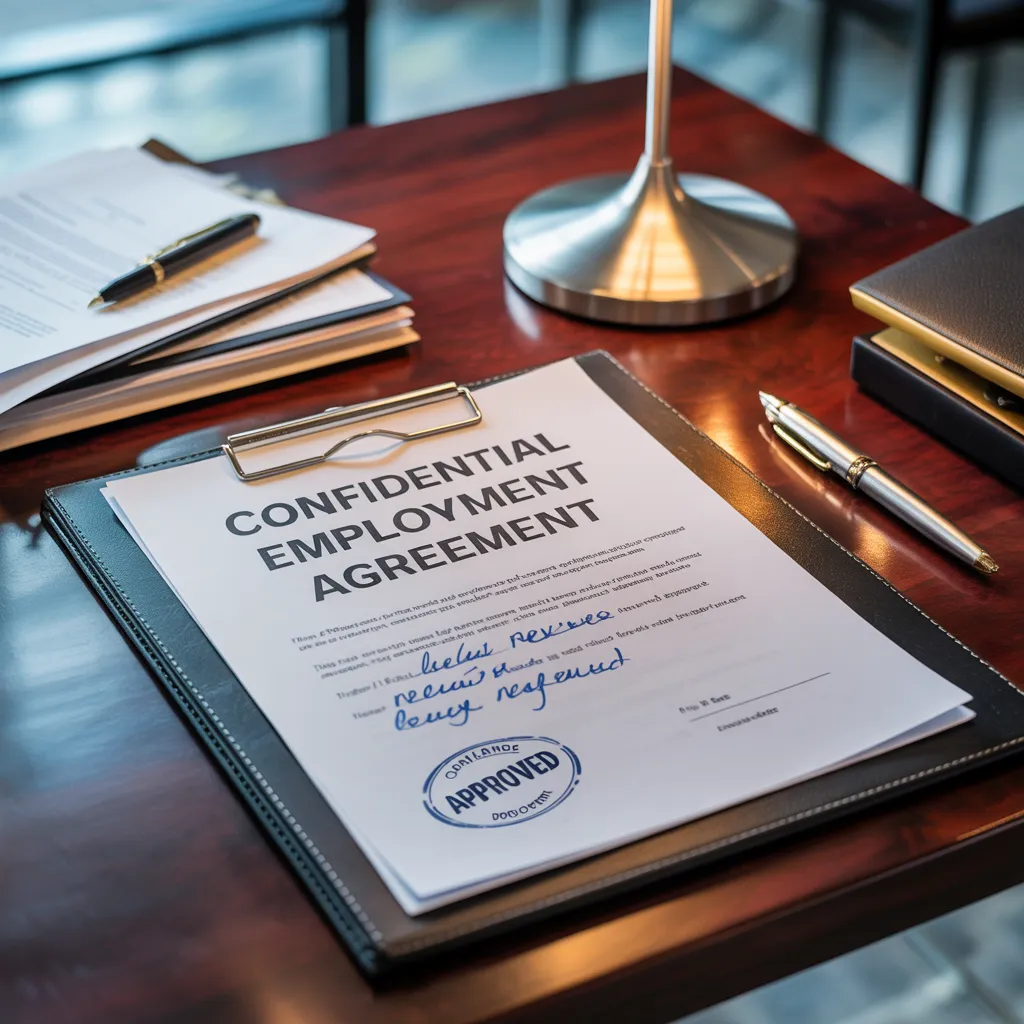
Employment law functions as an essential structure that defines the relationship between firms and personnel. It creates significant rights and accountabilities, guaranteeing fair treatment in various aspects of work life. Knowing these laws can empower people to advocate themselves. However, many stay unaware of their protections and the protections open to them. This awareness is vital, especially when encountering professional obstacles that could impact their professional futures and well-being. What certain protections should every employee know?
Learning About Labor Regulations and Why It Counts
Employment law covers a wide range of regulations and statutes that regulate the relationship between companies and workers. These regulations are designed to create equitable standards in the workplace, guaranteeing that both sides understand their rights and responsibilities. Employment law includes various aspects such as recruitment, wages, occupational health and safety, discrimination, and termination procedures. Its importance lies in fostering a fair workplace, protecting employees from unjust practices, and providing a structure for addressing conflicts.
In addition, compliance with employment law helps organizations reduce legal risks and fosters a culture of respect and equality. By adhering to these regulations, employers can improve employee morale and retention, ultimately benefiting their bottom line. Understanding employment law is essential for both employers and employees, as it enables them to navigate workplace dynamics effectively, ensuring a respectful and productive environment.
Vital Worker Rights in the Workplace
Across the domain of employment law, grasping vital employee claims is vital for fostering a equitable workplace. Employees warrant fair compensation, safeguards from discrimination, and a sound working environment. These rights both promote equity and also drive overall professional satisfaction and productivity.
Privilege To Just Wages
Fair wages is a essential expectation for workers in any workplace, reflecting the worth of their input and work. The right to fair compensation includes not only statutory wage requirements but also fair pay for similar work, guaranteeing that workers receive payment commensurate with their abilities and responsibilities. This right is protected by various employment regulations and regulations, which mandate timely payment and forbid wage theft. Additionally, workers are qualified to receive overtime pay for hours worked beyond the standard workweek, protecting against abusive practices. Advocacy for fair wages also involves addressing inequalities based on job classifications and guaranteeing that all employees are paid fairly, regardless of their background or role. Understanding these rights is crucial for promoting a equitable work setting.
Protection Against Discrimination
A important aspect of workplace rights is the safeguard from discrimination, which guarantees that all employees are treated equitably, regardless of characteristics such as race, gender, age, or disability. These protections are established through several laws, including the Civil Rights Act and the Americans with Disabilities Act, which disallow discriminatory actions in hiring, promotion, and termination. Employers are required to promote an welcoming environment, ensuring that no employee faces harassment or retaliation for asserting their rights. Employees who believe they have experienced discrimination have ways for recourse, including filing complaints with the Equal Employment Opportunity Commission (EEOC). Understanding these rights is important for employees to promote their interests effectively and contribute to a balanced workplace culture.
Safe Working Environment
As staff members handle their work, the right to workplace safety remains necessary in promoting their health and efficiency. Employers are legally obligated to provide a environment without dangers that could cause harm or disease. This includes upkeep of tools, ensuring proper safety protocols, and offering adequate training. Employees should be cognizant of their rights to express concerns about hazards without risk of punishment. Regulators, like the Occupational Safety and Health Administration (OSHA), hold a key role in ensuring compliance and safeguarding workers. By fostering a culture of safety, organizations can enhance employee morale and productivity, ultimately benefiting both the workforce and the employer. Being knowledgeable about these rights empowers employees to advocate for their safety.
Managing Professional Discrimination and Bullying
Workplace discrimination and harassment pose major hurdles for companies, affecting employee morale and productivity. These concerns can arise from different factors, such as race, gender, age, disability, or sexual orientation. Workers dealing with discrimination often experience psychological distress, leading to decreased job satisfaction and elevated turnover rates. Harassment, whether verbal or physical, produces a hostile work environment that damages team cohesion and collaboration.
Organizations must foster a culture of respect and inclusivity to combat discrimination and harassment successfully. This involves implementing clear policies, providing training, and encouraging transparent dialogue. Employees should be encouraged to document problems without fear of retaliation, ensuring that their grievances are taken seriously. Additionally, swift and appropriate action is critical in handling grievances to show a commitment to a secure and fair workplace. By emphasizing these strategies, organizations can improve their standing and establish a more productive work environment for all employees.
What Duties Are Employers Under Law Bound to Execute?
Employers are legally obligated to maintain a safe and equitable work environment for all employees. This responsibility entails ensuring compliance with occupational health and safety regulations, which mandate the provision of essential safety equipment and training. Employers must also adhere to anti-discrimination laws, forbidding unfair treatment based on race, gender, age, disability, or other protected characteristics.
Additionally, they are obligated to create protocols for reporting and addressing workplace grievances, including harassment and retaliation. Offering suitable adjustments for employees with disabilities is another regulatory requirement, making sure that all persons can perform their tasks productively.
Additionally, companies must maintain precise documentation of worker time and compensation, promoting transparency and accountability in the workplace. By meeting these legal requirements, employers not only protect their employees' rights but also foster a positive and productive organizational culture. Compliance with these obligations is vital for maintaining employee satisfaction and preventing legal consequences.
Comprehending Income Laws
Understanding wage regulations is essential for both employers and employees to guarantee fair payment procedures. This encompasses awareness of base pay requirements, overtime pay rules, and protections against wage theft. A clear grasp of these laws can help prevent disputes and promote a more fair work environment.
Minimum Wage Standards
As the terrain of labor laws continues to evolve, minimum wage requirements are essential in guaranteeing fair compensation for workers. These regulations set the lowest hourly wage that employers must pay, safeguarding employees from exploitation. Minimum wage laws vary by jurisdiction, with some states and cities implementing rates higher than the federal standard. This variation demonstrates local economic conditions and living costs, allowing regions to tailor compensation to their specific needs. Compliance with minimum wage laws is critical for employers, as violations can lead to legal consequences and financial penalties. Workers should be aware of their rights regarding minimum wage to advocate effectively for fair pay and confirm that their compensation aligns with legal standards.
Overtime Compensation Regulations
Overtime pay rules are a important aspect of work law, ensuring employees receive fair compensation for hours worked beyond the standard workweek. Generally, the Fair Labor Standards Act (FLSA) commands that non-exempt employees are entitled to one and a half times their usual hourly compensation for any hours over 40 hours in a seven-day period. Employers are responsible for correctly recording hours worked and calculating overtime pay accordingly. Certain employees, such as those in top-level, administration, or specialized roles, may be classified exempt and thus not eligible for overtime. Awareness of these regulations is essential for both employees and employers to follow the rules and protect workers' rights, building a just and equitable workplace environment.
Wage Theft Protections
Wage wage-related abuses, which comprises unpaid wages, unauthorized deductions, and misclassifying employees, presents major obstacles for workers attempting to obtain fair compensation. To combat this problem, various wage theft protections have been put in place. By law, at both the federal and state level, employers are required to pay minimum wage and observe overtime laws. It is recommended that employees maintain detailed records of hours and wages, which can be crucial in resolving disputes. Furthermore, employees can lodge complaints with labor departments or seek legal help if they believe their rights have been infringed. There are organizations that promote wage theft awareness, which empowers employees to detect and confront unfair workplace practices effectively.
Instructions to Comply with If You Observe Violations
When workers believe their rights have been violated, it is crucial to take specific steps to address the situation successfully. First, they should record the details of the incident, including dates, times, and any pertinent correspondence. This information acts as important evidence. Next, workers should examine their company's guidelines and employee handbook to understand their rights and the procedures for reporting violations.
After collecting information, employees should consider discussing the problem with their supervisor or human resources department, as many organizations encourage internal settlement. If complete information the matter continues unaddressed, contacting an attorney specializing in employment law may be necessary to investigate legal alternatives. Employees can also file a formal grievance with relevant government agencies, such as the Equal Employment Opportunity Commission (EEOC). Taking swift action is critical, as there are often time limits for filing complaints. Each step taken can greatly impact the result and available compensation available.
Frequently Submitted Questions
How Do I Search for an Reputable Labor Counsel?
To identify a reputable employment lawyer, one should ask for recommendations from reliable sources, examine online reviews, consult local bar associations, and schedule consultations to determine capability and suitability with personal legal needs.
How Can I Respond if I See Work Misconduct?
If someone detects workplace misconduct, they should carefully document the event, notify a manager or human resources, and respect company protocols. Obtaining counsel from a reliable colleague or legal professional may also be beneficial.
Are there time limits for submitting an workplace dispute claim?
Yes, there are time restrictions for filing employment claims, often referred to as statutes of limitations. These time limits differ by jurisdiction and type of claim, so it's important to examine legal guidelines quickly after an incident.
What Variations Exist in Labor Regulations Across States?
Labor law differs considerably by state, showing differences in rules about compensation, prejudice, and workplace safety. These differences can impact employee rights and employer responsibilities, making it essential for individuals to comprehend their specific state laws.
Can I Get My Job for Speaking About My Compensation With Colleagues?
In numerous jurisdictions, discussing pay with colleagues remains protected, and dismissing an worker for such conversations could be illegal. However, legal requirements vary depending on the state, so individuals should consult relevant regulations for specific information.